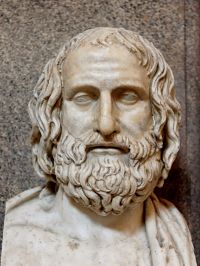
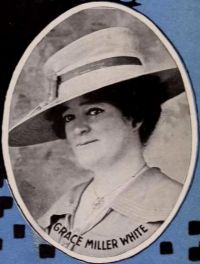
Thessaly, a historical region in central Greece, has long served as a crossroads of cultural and geographical importance. From classical antiquity to modern literature, it appears as a setting of both myth and migration. Plato and Euripides mention it in philosophical and tragic contexts, while authors like Harold Frederic portray its social dynamics and rural pride. A.
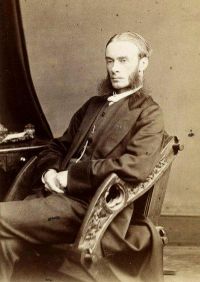
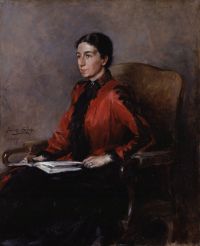
J. B. Wace emphasizes its function as a seasonal refuge for nomadic Vlach communities, and Henry Fanshawe Tozer connects its fertile lands to ancient movements. These diverse depictions highlight Thessaly’s lasting duality as a place of deep-rooted tradition and shifting movement, reflecting its intricate relationship with neighboring regions like Macedonia and Epirus.
 Harold Frederic,
The Lawton Girl
Harold Frederic,
The Lawton Girl