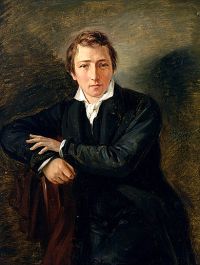
Dance, as a universal human expression, goes beyond simple movement, embodying cultural rituals, emotional depth, and social bonding. From William Butler Yeats’ metaphorical exploration of dance as a communal and mythical act to Heinrich Heine’s evocative depiction of its almost fateful intensity, writers have long examined its dual character as both a physical and symbolic pursuit.
Lillian Eichler Watson emphasizes its beneficial vitality, while Washington Irving illustrates its role in encouraging joyful, inclusive celebration. Whether sacred, social, or celebratory, dance connects with music, rhythm, and human interaction, revealing its lasting ability to unite and surpass boundaries.
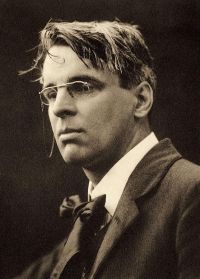 William Butler Yeats,
The Wild Swans at Coole
(1919)
William Butler Yeats,
The Wild Swans at Coole
(1919)