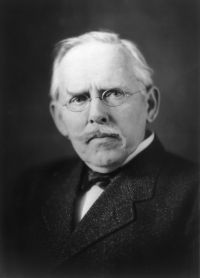
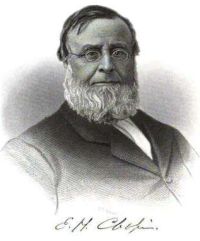
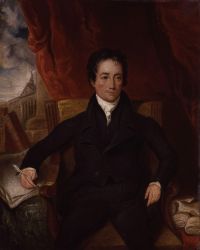
The minuet, a refined dance of French origin in 3/4 time, emerged from a folk ritual to become a fixture of courtly manners, its deliberate movements reflecting grace and order. As a musical structure, it influenced classical symphonies and suites, frequently accompanied by a contrasting trio. Authors such as Ford Madox Ford compared its lasting elegance to an eternal art, while G. F.
Graham examined its linguistic origins, tracing it back to Latin and highlighting its meaning of "short steps." Marcel Proust and Edna St. Vincent Millay, on the other hand, used its rhythmic flow as a symbol for the passage of time, intertwining the physical act of dancing with deeper philosophical contemplation. These diverse viewpoints—historical, linguistic, and symbolic—uncover the minuet’s dual significance: a formalized dance and a literary symbol for impermanence and sophistication.
 Ford Madox Ford,
The Good Soldier
Ford Madox Ford,
The Good Soldier