Summary

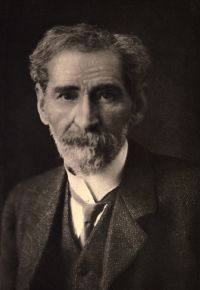
Portrait of W. H. Hudson W. H. Hudson Birds in Town & Village

The rooks appeared happy and prosperous, feeding in the meadow grass in that June weather, with the hot sun shining on their glossy coats. Their days of want were long past and forgotten; the anxious breeding period was over; the tempest in the tall trees; the annual slaughter of the young birds--all past and forgotten. The old rook was simply expressing the old truth, that life was worth living.
These rooks were usually accompanied by two or three or more crows--a bird of so ill-repute that the most out-and-out enthusiast for protection must find it hard to say a word in its favour.
Source: Gutenberg

Portrait of W. H. Hudson W. H. Hudson Birds in Town & Village

It is this extreme liveliness of the jay which makes it more distressing to the mind to see it pent in a cage than other birds of its family, such as the magpie; just as it is more distressing to see a skylark than a finch in prison, because the lark has an irresistible impulse to rise when his singing fit is on. Sing he must, in or out of prison, yet there can be little joy in the performance when the bird is incessantly teased with the unsatisfied desire to mount and pour out his music at heaven's gate.
Source: Gutenberg

Portrait of W. H. Hudson W. H. Hudson Birds in Town & Village

And the wren would be there, searching diligently in the dusty angles of cornices for a savoury morsel; for it knows, this wise little Kitty Wren, that "the spider taketh hold with her hands, and is in king's palaces"; and wandering from room to room it would pour forth many a gushing lyric--a sound of wildness and joy in our still interiors, eternal Nature's message to our hearts.
Who delights not in a bird? Yet how few among us find any pleasure in reading of them in natural history books!
Source: Gutenberg

Get perspective with Kwize: daily news enlightened by great literature