Drainage

Definition and stakes

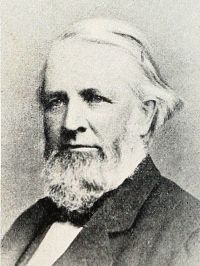
Portrait of Henry F. French Henry F. French,  Farm drainage

“ Whether drains should run up and down the slope of the hill, or directly across it, or in a diagonal line as a compromise between the first two, are questions which beginners in the art and mystery of drainage usually discuss with great zeal. It seems so plain to one man, at the first glance, that, in order to catch the water that is running down under the soil upon the subsoil, from the top of the hill to the bottom, you must cut a ditch across the current, that he sees no occasion to examine the question farther. ”

Source: Gutenberg

Portrait of Henry F. French Henry F. French,  Farm drainage

“ Having gained accurate knowledge of the sources of moisture, we may then be able to form a correct opinion whether our land requires drainage, and of the aid which Nature requires to carry off the surplus water.
WHAT LANDS REQUIRE DRAINAGE?
The more one studies the subject of drainage, the less inclined will he be to deal in general statements. "Do you think it is profitable to underdrain land?" is a question a thousand times asked, and yet is a question that admits of no direct general answer. Is it profitable to fence land? is it profitable to plow land?
”
Source: Gutenberg

Portrait of George E. Waring George E. Waring,  Draining for Profit, and Draining for Health

“ The lateral drains themselves constitute the real drainage of the field, for, although main lines take water from the land on each side, their action in this regard is not usually considered, in determining either their depth or their location, and they play an exceedingly small part in the more simple form of drainage,—that in which a large tract of land, of perfectly uniform slope, is drained by parallel lines of equal length, all discharging into a single main, running across the foot of the field. ”
Source: Gutenberg

Get perspective with Kwize: daily news enlightened by great literature