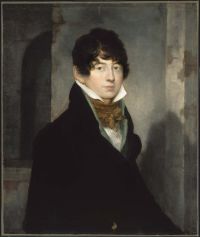
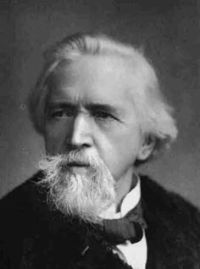
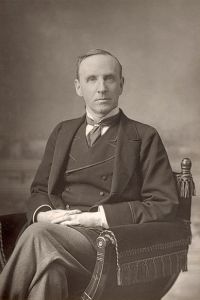
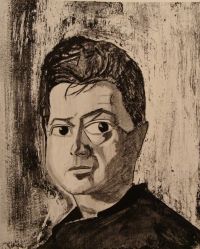
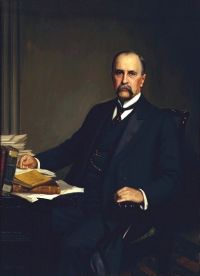
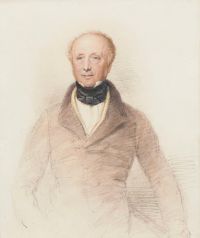
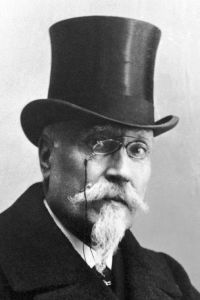
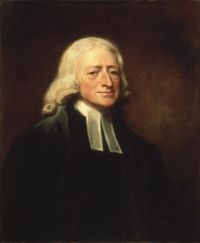
Bias refers to a systematic inclination or prejudice that distorts judgment, often rooted in personal beliefs, cultural contexts, or inherited assumptions. Authors such as William Hazlitt examined bias as a mirror for self-awareness, while Herbert Spencer emphasized its role in shaping convictions through education and patriotism.
Alexander Pope associated bias with pride, a "never-failing vice," and Robert Green Ingersoll controversially denied its existence, claiming that judgment remains "serene" and unswayed. These varied perspectives reveal bias as both an acknowledged human flaw and a contested concept, reflecting its complex influence on perception and reasoning.