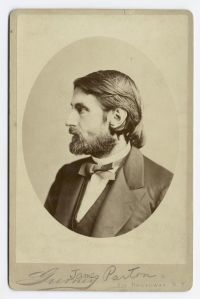
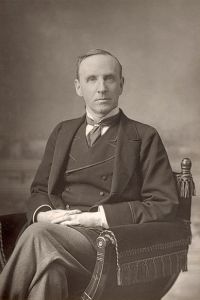
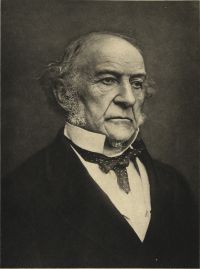
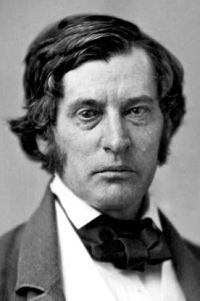
Interest, defined as an emotion directing attention toward objects, events, or processes, includes curiosity and subtle psychological changes such as pupil dilation. Authors such as William Jennings Bryan emphasized its role in driving human endeavors for honor and prosperity, while John Ruskin raised questions about whether moral integrity might take precedence over material gains as the highest priority.
John Stuart Mill associated it with ethical utility, focusing on collective well-being, and Thorstein Veblen observed its transformation from religious devotion to economic ambition. These viewpoints illustrate interest as both a personal motivator and a dynamic force that shapes individual and societal priorities, connecting intrinsic curiosity with broader human advancement.
 William Jennings Bryan,
The World's Famous Orations
(1906)
William Jennings Bryan,
The World's Famous Orations
(1906)