Tax

Definition and stakes

M. Garnier,  An Inquiry Into the Nature and Causes of the Wealth of Nations

“ Every tax ought to be levied at the time, or in the manner, in which it is most likely to be convenient for the contributor to pay it. A tax upon the rent of land or of houses, payable at the same term at which such rents are usually paid, is levied at the time when it is most likely to be convenient for the contributor to pay; or when he is most likely to have wherewithal to pay. Taxes upon such consumable goods as are articles of luxury, are all finally paid by the consumer, and generally in a manner that is very convenient for him. ”
Source: Gutenberg

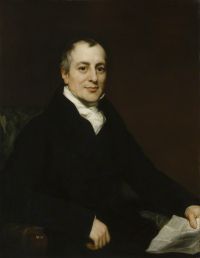
Portrait of Adam Smith Adam Smith,  The Wealth of Nations (1776)

“ A direct tax upon the wages of labour, therefore, though the labourer might, perhaps, pay it out of his hand, could not properly be said to be even advanced by him; at least if the demand for labour and the average price of provisions remained the same after the tax as before it. In all such cases, not only the tax, but something more than the tax, would in reality be advanced by the person who immediately employed him. ”
Source: Gutenberg

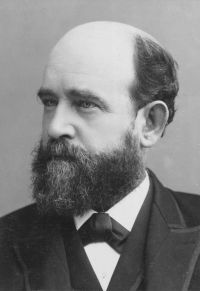
Portrait of Henry George Henry George,  Progress and Poverty, Volumes I and II

“ The tax upon land values is, therefore, the most just and equal of all taxes. It falls only upon those who receive from society a peculiar and valuable benefit, and upon them in proportion to the benefit they receive. It419 is the taking by the community, for the use of the community, of that value which is the creation of the community. It is the application of the common property to common uses. When all rent is taken by taxation for the needs of the community, then will the equality ordained by nature be attained. ”
Source: Gutenberg

Get perspective with Kwize: daily news enlightened by great literature