A tithe, a tax of approximately 10% paid to religious or civil institutions, has origins in antiquity and remains a fundamental element of religious practice and financial systems. From biblical mandates to medieval European feudal structures, tithes have influenced economic and spiritual life.
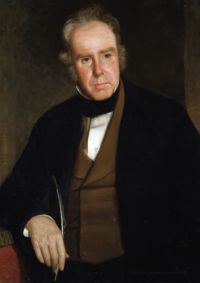
Authors like Henry William Clarke examined their historical development, emphasizing their classification into predial, mixed, and personal tithes, while critiquing their implementation and theological reasoning. The concept also overlaps with Jewish law, Christian doctrine, and church politics, illustrating both communal duty and power relations. Contemporary perspectives preserve its legacy, merging voluntary charity with ancient customs.