Summary

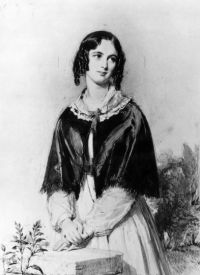
Portrait of Charlotte M. Yonge Charlotte M. Yonge John Keble's Parishes: A History of Hursley and Otterbourne

Hursley Park touches on one side the forest land of Ampfield Wood, and on the other the chalk of the South Downs, and it shows its length of having been reclaimed in the well-kept trees with their straight lines finishing their foliage beneath, due to the feeding of deer and cattle. Its chief beauty is when the thorns are like masses of snow. Moreover, there grows up from the moat at Merdon, over the back of the remains of the gateway, a traveller’s joy with an enormous trunk that must be of many years’ duration.
Source: Gutenberg

Portrait of Charlotte M. Yonge Charlotte M. Yonge John Keble's Parishes: A History of Hursley and Otterbourne

It is a charming prospect, especially on a day of sunshine and clouds, making shadows chase one another over the distance. Nor, except for a white thatched cottage and an extensive gravel-pit by the road, have the native charms of the hill been much disturbed; and gorse, heather, and honeysuckle flourish till, where the clay begins, there is a grassy slope bearing a few elms and horse-chestnuts.
Source: Gutenberg

Portrait of Charlotte M. Yonge Charlotte M. Yonge John Keble's Parishes: A History of Hursley and Otterbourne

Returning to the open park in front of Cranbury, there occurs that fitfully blooming plant, lady’s-tresses—Neottia Spiralis autumnalis—and a profusion of brown-winged orchis and cowslips. All the slopes are covered with copsewood, much of it oak, the tints of which are lovely shades of green in spring and golden-brown in early autumn. The whole is a place remarkable for masses of blossom.
Source: Gutenberg

Get perspective with Kwize: daily news enlightened by great literature