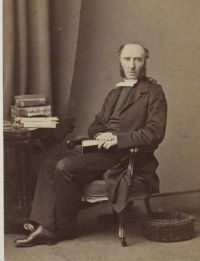
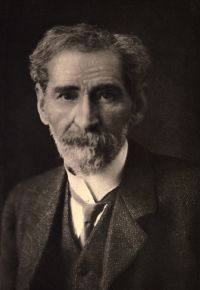
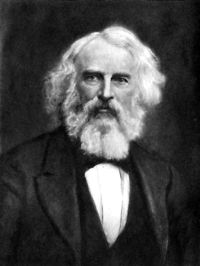
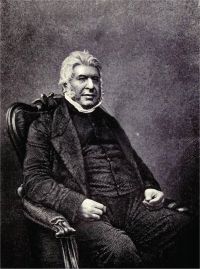
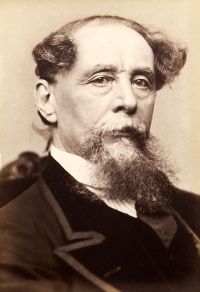
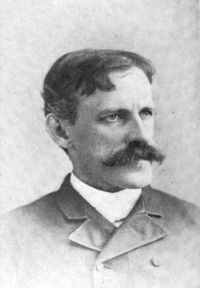
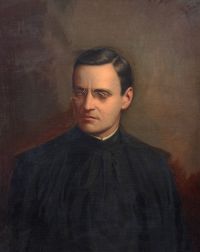
A churchyard, traditionally a burial ground situated near a church, functions as a liminal space where the sacred and the mortal converge. Writers have long examined its dual role as a place of remembrance and collective identity. Norman Maclean captures its tranquil harmony, where generations rest "reconciled one to another," while George Henry Sumner emphasizes its maintenance as a reflection of the parishioners’ dedication.
Others, such as Andrew Kennedy Hutchison Boyd, find comfort in its stillness, and James John Hissey observes its historical connection to pre-Reformation traditions. These diverse viewpoints highlight the churchyard as both a spiritual cornerstone and a reflection of societal values, where past and present intertwine beneath the church’s shadow.