Celibacy

Definition and stakes

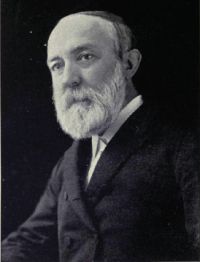
Alfred Wesley Wishart,  A Short History of Monks and Monasteries

“ It was only after many years of bitter debate and in response to the growing influence of the monastic ideal, that celibacy finally came to be looked upon as the highest form of Christian virtue, and was enforced upon the clergy. As in the case of the vow of poverty, there certainly can be no reasonable objection to the individual adoption of celibacy, if one is either disinclined to marriage or feels that he can do better work unmarried. But [pg 383] neither Scripture nor reason justifies the imposition of celibacy upon any man, nor the view that a life of continence is holier than marriage. ”
Source: Gutenberg

Portrait of Amelia E. Barr Amelia E. Barr,  Maids, Wives, and Bachelors

“ CONTENTS
1 Maids and Bachelors Women who have devoted themselves for religious purposes to celibacy have in all ages and countries of the world received honor, but those upon whom celibacy has been forced, either through the influence of untoward circumstances, or as a consequence of some want or folly in themselves, have been objects of most unmerited contempt and dislike. Unmerited, because it may be broadly asserted that until the last generation no woman in secular and social life remained unmarried from desire or from conviction.
”
Source: Gutenberg

Bernard Ward,  The Priestly Vocation

“ Nevertheless, there is often a danger that we may lose sight of its essence—that we may look upon celibacy as a mere disciplinary law of the Church, made for prudential reasons, and our duty as merely to abstain from every thought or act which may endanger its observance— to look on celibacy, in short, as a negative rather than a positive precept, forbidding us to do this or that, but not adding anything very special to our daily spiritual life, beyond absence of sin. ”
Source: Gutenberg

Get perspective with Kwize: daily news enlightened by great literature