Virginity, a social construct indicating the state of never having engaged in sexual intercourse, has been examined through moral, spiritual, and cultural perspectives. Authors like Havelock Ellis regarded it as a sacred possession, while Anatole France portrayed its spiritual commitment.
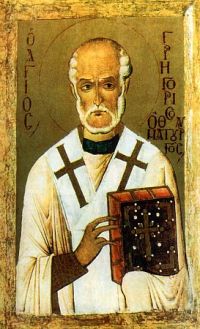
Gregory Thaumaturgus associated it with divine enlightenment, and Methodius praised its eternal rewards. Philip Schaff highlighted its virtues as a moral decision, contrasting with secular viewpoints. These varied outlooks demonstrate virginity as a complex idea interwoven with purity, identity, and societal norms, underscoring its lasting relevance in religious and ethical discussions.
 Havelock Ellis,
Studies in the Psychology of Sex…
Havelock Ellis,
Studies in the Psychology of Sex…