Parolles

Definition and stakes

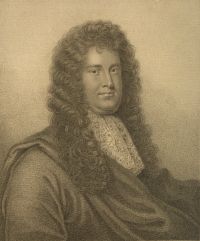
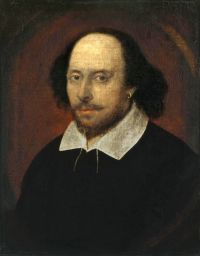
Portrait of William Shakespeare William Shakespeare,  All's Well That Ends Well

“ CLOWN. Indeed, sir, if your metaphor stink, I will stop my
nose; or
against any man's metaphor. Prithee, get thee further.
PAROLLES. Pray you, sir, deliver me this paper.
CLOWN. Foh! prithee stand away. A paper from Fortune's
close-stool
to give to a nobleman! Look here he comes himself.
Enter LAFEU
Here is a pur of Fortune's, sir, or of Fortune's cat, but not
a musk-cat, that has fall'n into the unclean fishpond of her
displeasure, and, as he says, is muddied withal. Pray you,
sir,
use the carp as you may; for he looks like a poor, decayed,
ingenious, foolish, rascally knave.
”
Source: Gutenberg

Portrait of William Shakespeare William Shakespeare,  All's Well That Ends Well

“ Well, Diana, take heed of this French earl; the honour of a maid is her name; and no legacy is so rich as honesty.
WIDOW.
I have told my neighbour how you have been solicited by a gentleman his companion.
MARIANA.
I know that knave; hang him! one Parolles; a filthy officer he is in those suggestions for the young earl. Beware of them, Diana; their promises, enticements, oaths, tokens, and all these engines of lust, are not the things they go under; many a maid hath been seduced by them
”
Source: Gutenberg

Portrait of William Shakespeare William Shakespeare,  All's Well That Ends Well

“ Shall make me live. Who knows himself a braggart,
Let him fear this; for it will come to pass
That every braggart shall be found an ass.
Rust, sword; cool, blushes; and, Parolles live
Safest in shame; being fool’d, by foolery thrive.
There’s place and means for every man alive.
I’ll after them.
[Exit.]
SCENE IV. Florence. A room in the Widow’s house. Enter Helena, Widow and Diana.
HELENA.
That you may well perceive I have not wrong’d you
One of the greatest in the Christian world
Shall be my surety; fore whose throne ’tis needful,
Ere I can perfect mine intents, to kneel.
”
Source: Gutenberg

Get perspective with Kwize: daily news enlightened by great literature