Puritans

Definition and stakes

James Truslow Adams,  The Founding of New England (1921)

“ Those who did not believe as the Puritans believed were not of the elect, and so were condemned by God to eternal torment. No act of intolerance shown toward them by the Puritans could thus compare with the almost unthinkable intolerance displayed toward them by the author of their being. To show toleration or mercy toward such was, logically, to exalt humanity above the deity.
To the Puritan, the reign of law was merely the reign of God’s will, but it was universal. No act was indifferent, either in the universe or in the individual.
”
Source: Wikisource

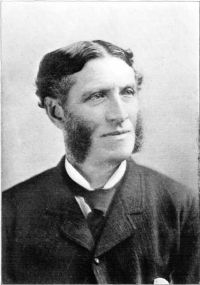
Portrait of Matthew Arnold Matthew Arnold,  St. Paul and Protestantism, with an Essay on Puritanism and the Church of England

“ But can anything more tend to make the Church what the Puritans reproach it with being,—a mere lump of sacerdotalism and ritualism,—than if the Puritans, who are free to come into it with their disregard of sacerdotalism and ritualism and so to leaven it, refuse to come in, and leave it wholly to the sacerdotalists and ritualists? What can be harder upon the laity of the national Church, what so inconsiderate of the national good and advantage, as to leave us at the mercy of one single element in the Church, and deny us just the elements fit to mix with this element and to improve it? ”
Source: Gutenberg

Lures of Life

“ The advent of the light-hearted Cavaliers in England, flinging colour and warmth and gaiety over the land, was a sharp recoil from the drab severity of Puritan rule. The Puritans were men of strong personality: half soldiers and half preachers. They were honest without charm; strong-minded without pose ”
Source: Gutenberg

Get perspective with Kwize: daily news enlightened by great literature