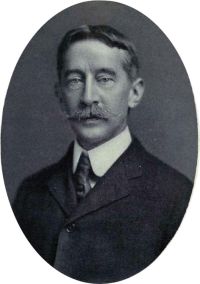
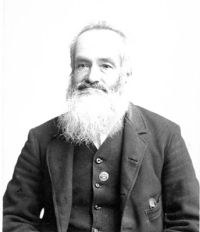
The concept of a "warder" includes both literal and metaphorical roles as a guardian or overseer, spanning settings from prisons to historical sites. Authors such as Letitia Elizabeth Landon and Richard Marsh examine warders as figures of authority in confined spaces, focusing on their interactions with prisoners and the dynamics of observation.
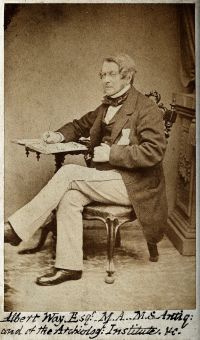
Walter Scott uses the term metaphorically in a battle context, while Curtis Guild and Albert Way portray warders in historical or archaeological settings, underscoring their symbolic or ceremonial functions. These diverse depictions demonstrate the theme’s versatility, connecting practical responsibilities with symbolic watchfulness across literary and cultural domains.
 Letitia Elizabeth Landon,
Landon in The Literary Gazette 1827
(1827)
Letitia Elizabeth Landon,
Landon in The Literary Gazette 1827
(1827)