“ How can it be made to comport with any just conceptions of right, for the Government to levy so large a tax, for the common purposes of all, upon a portion only of its citizens? As well might the post-office be used as a source of general revenue, as to be taxed specially with the expenses of this branch of the public service—a mode of raising revenue for general purposes universally admitted to be so unequal and unjust that it has never been resorted to in this country but in a single instance of extreme necessity, and then only for a very short time. ”
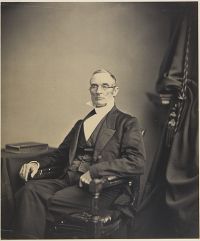
Joshua Leavitt
Summary
Joshua Leavitt’s Cheap Postage, published in the mid-19th century, explores the developing postal systems of the United States and Great Britain, critiquing tax policies, the function of communication in national solidarity, and the shortcomings of targeted mail subsidies.
Through examinations of franking rights, funding structures, and the relationship between state and commercial postal services, Leavitt promotes a just, affordable postal system that emphasizes public welfare over financial gain. His work highlights the conflict between state duty and personal advantage, contending that reasonable postal policies strengthen national unity and economic prosperity, as illustrated by the differing outcomes of American and British reforms.
Quotes from Cheap Postage (Joshua Leavitt)
“ Now, let the post-office present itself to the people as a system of pure and unmingled beneficence, studying not how it can get a little more money for a little less service, but how it can render the greatest amount of accommodation with the least expense to the public treasury, and it will at once become the object of the public gratitude and warm affection; men will study how to facilitate all its transactions, will be conscientiously careful not to impose any needless trouble upon its servants, and will generally watch for its interests as their own. ”
“ All the peculiarities which distinguish British institutions from our own, might naturally be expected to make public men in that country more tenacious of privilege than our own statesmen. In a land of privilege, we should expect mere privilege to be coveted, because it is privilege. This practical and harmonious decision of British statesmen, of all parties, in favor of abolishing the franking privilege, in order to give strength and consistency to the system of cheap postage, shows in a striking light the sense which they entertained of the greatness of the object of cheap postage. ”
