Lithography

Definition and stakes

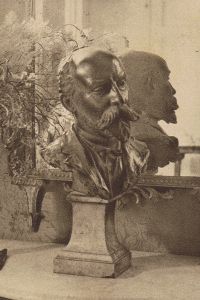
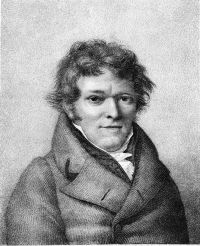
Portrait of Alois Senefelder Alois Senefelder,  The Invention of Lithography

“ In the pen and crayon method all the lines that are to take printing-color are drawn directly on the stone with a fatty preparation. But lithography has a unique way of transferring to the stone a drawing or inscription that is first put on paper with the fatty substance. This is possible only for lithography, and I incline to the belief that it is the most important of all my inventions. It makes it unnecessary to learn reverse writing. ”
Source: Gutenberg

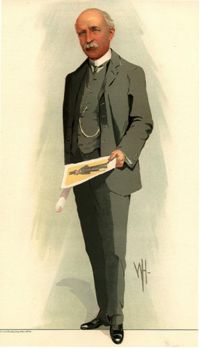
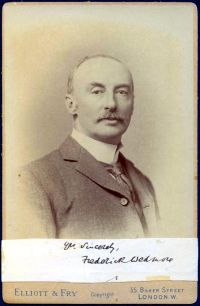
Portrait of Sir Frederick Wedmore Sir Frederick Wedmore,  Fine prints (1905)

“ A comparison between Lithography and Etching in particular—putting other mediums aside—leads to further reflections. Lithography lacks the relief of etched work. “You can’t have grey and black lines”—a skilled etcher says to me, who enjoys Lithography as well as Etching, and sometimes practises it—“you can’t have grey and black lines, in that the printing of a lithograph is surface-printing, and every mark upon the stone prints equally black. Therefore for grey work in Lithography, you must have a grain upon the stone—or on the transfer-paper—that your drawing is made on.” ”
Source: Gutenberg

Edward W. Byrn,  The Progress of Invention in the Nineteenth Century

“ Lithography is another and quite important branch of the printing art, in which the lines and characters are drawn upon stone with a kind of oily ink to which printers’ ink will adhere, while it is repelled from the other moistened surfaces of the stone. Lithography was invented in 1798 by Alois Senefelder, of Munich. It finds its greatest application in artistic and fanciful work in inks of various colors, and its development into chromo-lithography in the Nineteenth Century has grown into a fine art. ”
Source: Gutenberg

Get perspective with Kwize: daily news enlightened by great literature