The schoolmaster, traditionally a male teacher in English grammar schools, represents a figure central to educational tradition, especially in Britain and its Commonwealth nations. From the 16th century onward, the term referred to a learned professional, often a university graduate, responsible for teaching Latin and other subjects. Authors like Washington Irving depicted him as a respected figure of authority in rural communities, while H.G.
Wells humorously illustrated him as a victim of student pranks. Maria Montessori highlighted his function as a shaper of intellectual development, contrasting with Sir Edward Abbott Parry’s criticism of his strict adherence to traditional teaching methods. These differing viewpoints emphasize the schoolmaster’s lasting duality: both a guardian of knowledge and a subject of cultural examination, reflecting evolving attitudes toward education and authority.
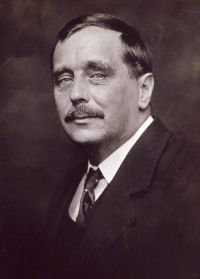 H. G. Wells,
Mankind in the Making
H. G. Wells,
Mankind in the Making