Woodcut

Definition and stakes

Emil H. Richter,  Prints: A Brief Review of Their Technique and History

“ Woodcut never was, in France, the important means of artistic expression which89 we have found it to have been in Germany. Its days sped by unheeded. The chief field of usefulness of the woodcut, the decoration and illustration of books and the sphere of the devotional print, were invaded by the intaglio processes. The woodcut lost ground everywhere in the seventeenth century; it had practically no share in solving the problems set to the graphic arts by the rising schools of Dutch, Flemish, and French painters. ”
Source: Gutenberg

Jacob Kainen,  John Baptist Jackson: 18th-Century Master of the Color Woodcut

“ After the 15th century the woodcut lost its primitive power and became a self-effacing medium for creating facsimile impressions of drawings and for illustrating and decorating books, periodicals, and cheap popular broadsides. At its lowest ebb, in the late 17th century, and in the 18th, it was used to make patterns for workers in embroidery and needlework and to supply outlines for wallpaper designs to be filled in later by “paper-stainers.”
The prime deficiency of the woodcut as an art form lay in the division of labor which the process permitted. Draughtsmen usually drew on the blocks
”
Source: Gutenberg

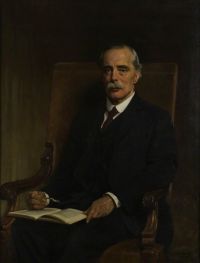
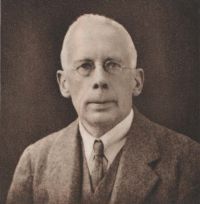
Portrait of Campbell Dodgson Campbell Dodgson,  Contemporary English woodcuts (1922)

“ And throughout the last century of that period, from about 1470 onwards, the woodcut enjoyed a supremacy without rival as the process for book illustration, till the competition of the copper plate, engraved or etched, became serious, and finally drove the woodblock out of the field. In the fifteenth century we rarely know the names of the illustrators, and it is generally uncertain whether the designers of the blocks also actually cut them ”
Source: Wikisource

Get perspective with Kwize: daily news enlightened by great literature