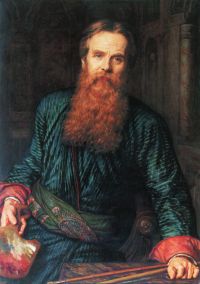
T. Martin Wood

Biographical details

T. Martin Wood George Du Maurier, the Satirist of the Victorians

The satire of the three admiring ladies is perfect. In our own time ladies have gazed like this at genius. Sometimes genius is really there, sometimes it is not—but the profound and undying belief of women in it, often expressed beautifully as well as absurdly, is the rain from heaven enabling it to thrive. In the expressive drawing of the faces and the bearing of the three ladies in this picture we have du Maurier's real humour—its reality in its closeness to life, and his genius in expressing through contour the whole tale of strange æsthetic enthusiasm.
Source: Gutenberg

T. Martin Wood Sargent

Duran with youth's conscious, ardent necessity of embracing a fresh view of the world altogether. The lighter touch of Carolus Duran, the worldly painting, the lively art of things living, if a superficial art, was refreshing, no doubt, to one accustomed only to the beautiful memories of ardour expressed five centuries before. And superficiality, demoralising to the superficial, could only give some added swiftness to a brush inclined to halt with too much intensity whilst life, its one enthusiasm, was racing by.
Source: Gutenberg

T. Martin Wood Drawings of Rossetti

To attempt to bring a painting of Rossetti's into relationship with nature out of doors would to all intents put an end to the reason for its artistic existence. It would be to demand of it that it should strike a note in tune with a mood the direct opposite to that which it was its intention to create. Though art should always be examined in its own atmosphere, much of the criticism applied to Rossetti is but the bringing of his art out into the fields. It is not valuable criticism that approaches work in a spirit of this kind.
Source: Gutenberg

Get perspective with Kwize: daily news enlightened by great literature