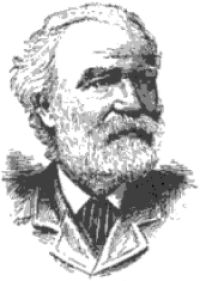
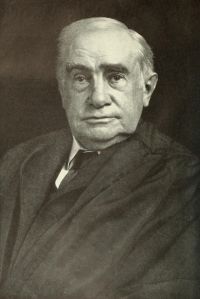
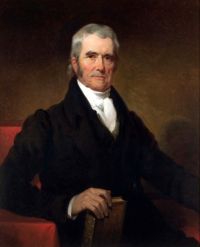
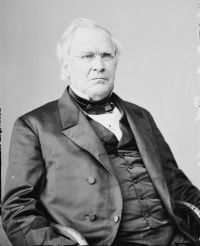
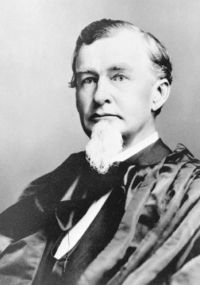
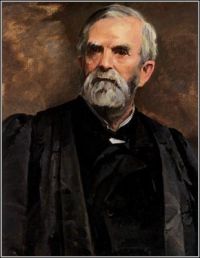
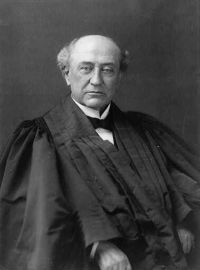
A patent is a legal instrument that grants the inventor exclusive rights to an invention, in exchange for public disclosure, typically valid for up to 20 years. This concept has been examined through legal and technical perspectives by figures such as Joseph P. Bradley, who differentiated between process and composition patents as legal issues, and Benjamin Vaughan Abbott, who characterized manufacturing processes as "art" deserving of protection.
Nathan Clifford highlighted the importance of precise specifications to allow replication, while others discussed the boundaries of patentable subject matter. The theme highlights the balance between encouraging innovation through exclusivity and ensuring the spread of knowledge, illustrating the development of legal standards across different regions.