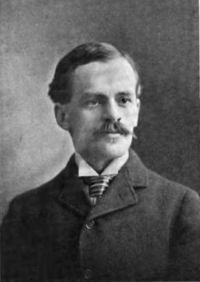
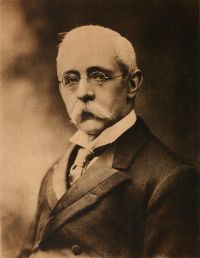
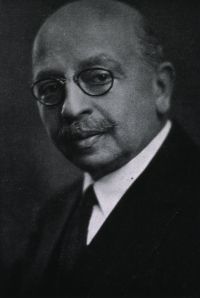
Validity, a concept central to law and philosophy, denotes the binding force of a norm, determined by adherence to procedural and substantive legal standards. In philosophical discourse, it goes beyond legal frameworks, embodying truth, ethical duty, and the confirmation of ideas. Josiah Royce views validity as inseparable from the continuity of experience, while William James links it to the dynamic process of verification through practical results. M.
Valentine highlights its role in ethical reasoning, connecting it to rational understanding and the transcendental aspect of moral obligation. G. E. Moore, meanwhile, examines validity’s relationship to the intrinsic characteristics of morally right actions. These varied perspectives emphasize validity’s dual function as both a legal benchmark and a philosophical foundation, bridging formal rules with the fluidity of human experience and moral evaluation.
 Josiah Royce,
The World and the Individual, First Series
(1899)
Josiah Royce,
The World and the Individual, First Series
(1899)