Running, a swift form of land-based movement characterized by alternating foot contacts and a period of flight, differs from walking due to its dynamic energy transfer and adaptability across different speeds. From ancient endurance hunting to contemporary athletic competition, it represents both physical skill and cultural importance.
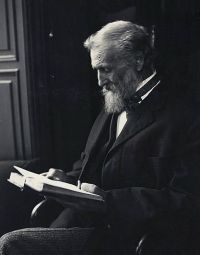
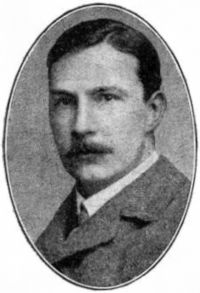
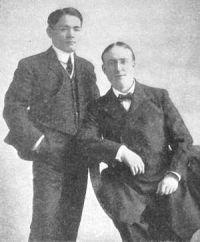
Authors such as John Muir praised its communal, almost primal, role in linking humans to nature, while Mihai Nadin viewed it as a social activity rich in cultural and economic significance. Even literary portrayals, like Crichton Somerville’s admiration for the rhythm of ski-running, highlight its widespread appeal as both an individual activity and a shared human experience. Running, therefore, connects biology, history, and identity, embodying humanity’s lasting pursuit of movement and meaning.