Athletics

Definition and stakes

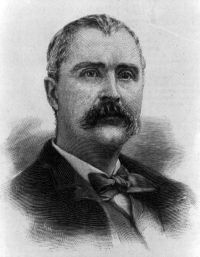
Portrait of Ralph Henry Barbour Ralph Henry Barbour,  For the Honor of the School: A Story of School Life and Interscholastic Sport

“ Did you ever stop to ask yourselves what the right aim of athletics is—what the chief aim should be? Some of you will answer: ‘That’s easy; the chief aim of athletics is winning.’ Wrong; the true aim of all athletics, the world around, is physical culture. Winning is of small importance; contests are only incentives. We go in for athletics because we wish to attain to a condition of physical fitness that will allow us to make the most of our lives. Athletics without training is useless; it will accomplish almost nothing good. ”

Source: Gutenberg

E. Norman Gardiner,  Greek Athletic Sports and Festivals

“ The place of physical training and of games in education, the place of athletics in our daily life and in our national life, are questions of present importance to us all, and in considering these questions we cannot fail to learn something from the athletic history of a nation which for a time at least succeeded in reconciling the rival claims of body and of mind, and immortalized this result in its art. ”
Source: Gutenberg

Mosiah Hall,  Parent and Child Volume III., Child Study and Training

“ I think our modern college athletics will some day be looked upon as one of the most ridiculous habits of the nineteenth and twentieth centuries. That twenty-two men should engage in mortal combat, with anywhere from one to twenty thousand on the side lines,—if you can get anything more ridiculous than that, I should like to know where you can find it. Athletics should not be too severe, however, yet, the boy ought not to have century runs and long halves of football, especially if the heart is still weak. ”
Source: Gutenberg

Get perspective with Kwize: daily news enlightened by great literature