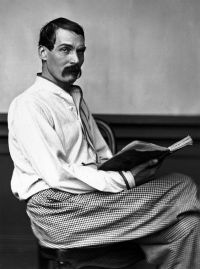
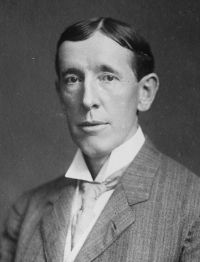
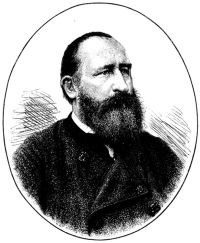
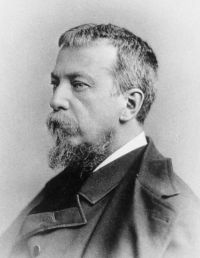
Gait, the way in which a person or animal moves, includes posture, stride, and muscular coordination, reflecting both physical health and cultural background. Scholars from various disciplines have explored this topic: Melvin L. Severy described a hesitant walk resulting from a prosthetic limb, while Woods Hutchinson associated particular ways of walking with medical issues such as locomotor ataxia.
Anna M. Galbraith investigated how footwear influences movement patterns, and Jules Jacoulet examined equine motion, highlighting control and tempo. Sir Richard Francis Burton observed differences in human gait based on race, and Alexander Miles tied it to anatomical irregularities. These differing viewpoints illustrate gait as a means of understanding biology, disease, and even societal expectations.