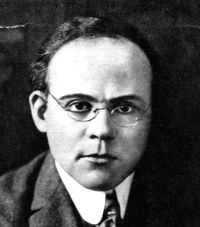
The concept of "lead" encompasses both its material form as a metal and its metaphorical role as a guiding force in human pursuits. Authors have examined its dual significance, from Newman’s poetic appeal to light as a spiritual guide in Lead, Kindly Light to Spencer’s practical emphasis on journalism, where a "lead" functions as the narrative’s crucial opening.
Talbot Mundy portrays leadership as a purposeful act of direction, while Henry James contemplates the patterns of a thoughtfully shaped, guided existence. At the same time, Charlotte Mason and Baldwin highlight leadership as a means of development, nurturing accountability and personal growth. These diverse viewpoints illustrate "lead" as both a physical element and an abstract principle of direction, connecting the concrete with the conceptual.
 John Henry Newman,
Lead, Kindly Light
John Henry Newman,
Lead, Kindly Light