“ It soon became evident that the foremost swimmers, who had been for the moment repulsed, had no intention of turning back. Why should they? Behind them they had left no hope—not a plank to cling to—only a ship on fire blazing upward to the skies and now almost hid under the flames. Even she, before they could reach her, would be burned down to the water’s edge. Why should they think of swimming back? No; the raft was the only thing upon the whole face of that wide sea upon which human foot might now find a resting-place. ”
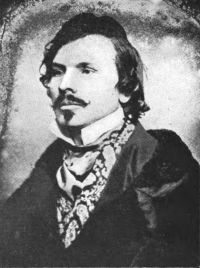
Mayne Reid
Summary
"Ran Away to Sea" by Mayne Reid is a 19th-century adventure novel centered on the survival struggles of characters like Ben and Brace after a shipwreck, navigating dangerous encounters with sharks, lions, and rebellious crews.
Themes of maritime disaster, the moral corruption of slavery, and the yearning for freedom dominate, as the narrative critiques the hypocrisy of punishing pirates while sparing slavers. Through vivid depictions of rafts, barques, and desperate escapes, the work underscores the brutal realities of human endurance and the moral complexities of survival at sea.
Quotes from Ran Away to Sea (Mayne Reid)
“ Another fierce growl—another rush forward—another bound—and before we had time to utter a word, we perceived the yellow paw of the lion spread over the limb of the tree with his grinning muzzle and gleaming teeth close to our feet! In another instant the brute would have swung his body up, but my companion’s presence of mind did not forsake him at this crisis. Quick as thought was his action; and, before the lion had time to raise himself, the keen blade of the sailor’s knife had passed twice through the great paw,—inflicting at each stab a deep and bloody gash. ”
“ Indeed it is a perfect absurdity to hang a pirate and let a slaver escape: for if it be admitted that a black man’s life is of as much value as a white man’s, then is the slaver doubly a murderer, for it is a well-known fact, that out of every slave cargo that crosses the Atlantic, full one-third become victims of the middle passage. It is, therefore, a positive absurdity to treat the captain and crew of a slave-ship in any milder way than the captain and crew of a pirate ship ”
