The concept of "Rivoli" emerges primarily through its literary depiction as a figure caught in conflict, honor, and personal turmoil. In Percival Christopher Wren’s The Wages of Virtue, Luigi Rivoli, a Legionnaire, embodies both physical strength and moral complexity, moving between tense situations in cafés and on battlefields. His encounters—characterized by threats, competition, and emotional weight—highlight themes of allegiance, aggression, and social exclusion.
While other writers, such as Alexandre Dumas and A. M. Williamson, may have examined similar historical or military settings, Wren’s detailed portrayal of Rivoli as a multifaceted antihero emphasizes the theme’s significance in stories of human strife. The character’s influence, linked to locations like Verona and battles such as Arcola, demonstrates how the literary Rivoli goes beyond mere geography to represent the clash between personal initiative and communal conflict.
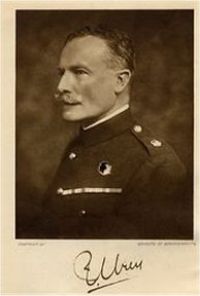 Percival Christopher Wren,
The Wages of Virtue
(1916)
Percival Christopher Wren,
The Wages of Virtue
(1916)