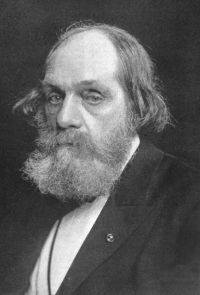
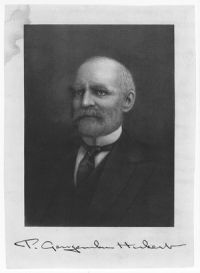
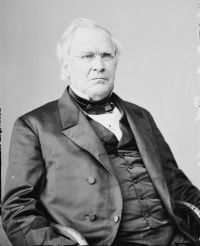
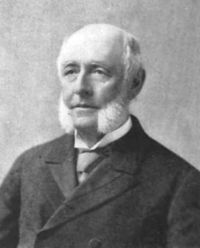
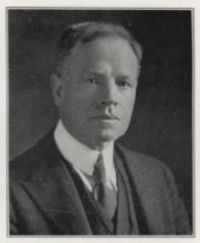
The concept of "maker" includes individuals who create, produce, or innovate, ranging from inventors to artisans. Authors such as Charles Babbage examined the maker's role in industrial advancement, questioning how inventors bring new machines to market. Edward Hazen emphasized the rapid pace of innovation, from telegraphs to automated textile devices, while Adam Smith demonstrated the division of labor through the efficiency of the pin-maker.
Mattie Phipps Todd stressed the maker's dual responsibility to produce both utility and beauty, and Wilhelm Roscher highlighted the refinement of skill through repeated practice. These viewpoints together portray the maker as both an economic actor and a creative force, connecting technical precision with human ingenuity.
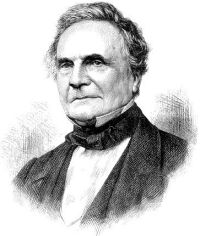 Charles Babbage,
On the Economy of Machinery and Manufactures
Charles Babbage,
On the Economy of Machinery and Manufactures