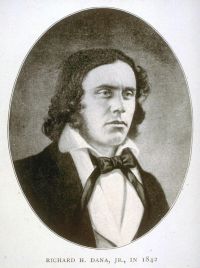
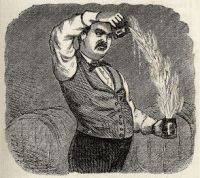
Rum, a distilled spirit made from sugarcane molasses or juice, originated in the Caribbean and became a global commodity. Its role ranges from cocktail ingredients to cultural symbols, deeply connected to history, trade, and social issues. Authors like E. Manford criticized its harmful appeal, while Richard Henry Dana explored sailors’ mixed feelings about its temporary comfort.
Ralph W. Bell illustrated its ceremonial importance in military settings, and W. H. Hudson examined its contradictory function as both nourishment and temptation. These diverse viewpoints highlight rum’s intricate legacy as a drink that has influenced economies, identities, and human experiences throughout the centuries.