Summary

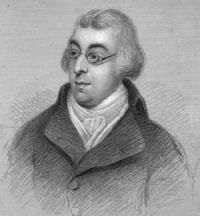
Portrait of Isaac Disraeli Isaac Disraeli Curiosities of Literature, Vol…

Sometimes I seek for more delicate minds, that my taste may imbibe their delicacy; sometimes for the gayer, that I may enrich my genius with their gaiety; and, although I constantly read, I make it less my occupation than my pleasure. In religion, and in friendship, I have only to paint myself such as I am—in friendship more tender than a philosopher; and in religion, as constant and as sincere as a youth who has more simplicity than experience. My piety is composed more of justice and charity than of penitence.
Source: Gutenberg

Portrait of Isaac Disraeli Isaac Disraeli Curiosities of Literature, Vol…

It is amusing to listen to this blazing preface:—"At length, reader, nothing remains for me but to mention the great Arminius which I now present to you, and by which I have resolved to close my long and laborious course. It is indeed my masterpiece! and the most finished work that ever came from my pen; for whether we examine the fable, the manners, the sentiments, or the versification, it is certain that I never performed anything so just, so great, nor more beautiful; and if my labours could ever deserve a crown, I would claim it for this work!"
Source: Gutenberg

Portrait of Isaac Disraeli Isaac Disraeli Curiosities of Literature, Vol…

Plato always says more than he should say: Aristotle never says enough, and leaves the reader always to think more than he says. The one surprises the mind, and charms it by a flowery and sparkling character: the other illuminates and instructs it by a just and solid method. Plato communicates something of genius, by the fecundity of his own; and Aristotle something of judgment and reason, by that impression of good sense which appears in all he says. In a word, Plato frequently only thinks to express himself well: and Aristotle only thinks to think justly.
Source: Gutenberg

Get perspective with Kwize: daily news enlightened by great literature