Edmund Burke

Definition and stakes

Anonymous,  The fourth progressive reader (1871)

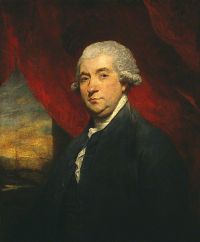
“ Edmund Burke was born in Ireland in 1728, and died in 1797. Such was the transcendent ability of Burke, that, at a time when England was richest in brilliant orators, and great statesmen, he rose from his obscure position, as a young and unknown Irishman, to be the great central figure in the array of great names which shed a lustre over the closing years of the Eighteenth century. But to his unrivaled merits as an orator and statesman, can be added the still higher praise of being a man of unblemished honor and probity. ”
Source: Gutenberg

Various,  The International Magazine, Volume 2…

“ Edmund Burke is the most illustrious name in the political history of England. The exploits of Marlborough are forgotten, as Wellington's will be, while the wisdom and genius of Burke live in the memory, and form a portion of the virtue and intelligence of the British nation and the British race. The reflection of this superior power and permanence of moral grandeur over that which, at best, is but a vulgar renown, justifies the most sanguine expectations of humanity. ”
Source: Gutenberg

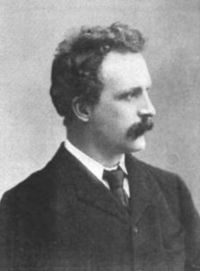
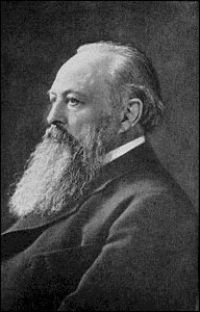
Portrait of William Edward Hartpole Lecky William Edward Hartpole Lecky,  Historical and Political Essays

“ Much exaggeration undoubtedly grew up in the last century, partly through ignorance of Oriental affairs, and partly also through the eloquence of Burke. There is no figure in English political history for which I at least entertain a greater reverence than Edmund Burke. I believe him to have been a man of transparent honesty, as well as of [55] transcendent genius; but his politics were too apt to be steeped in passion, and he was often carried away by the irresistible force of his own imagination and feelings. ”
Source: Gutenberg

Get perspective with Kwize: daily news enlightened by great literature