Ariosto

Definition and stakes

Henry Hallam,  Introduction to the Literature of Europe in the Fifteenth…

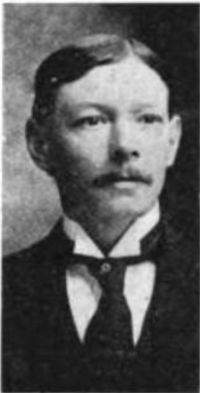
“ It is felt already in Spenser, as it is perhaps even in Ariosto, when we read much of either, that tales of knights and ladies, giants and savage men, end in a satiety which no poetical excellence can overcome. Ariosto, sensible of this intrinsic defect in the epic romance, has enlivened it by great variety of incidents, and by much that carries us away from the peculiar tone of chivalrous manners. The world he lives in is before his eyes, and to please it is his aim. He plays with his characters as with puppets that amuse the spectator and himself. ”
Source: Gutenberg

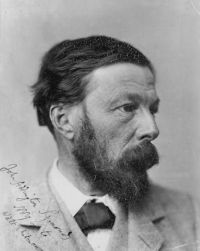
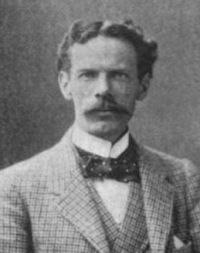
Portrait of T. G. Tucker T. G. Tucker,  The foreign debt of English literature (1907)

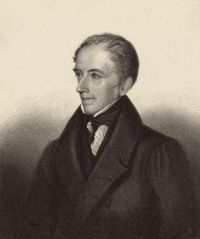
“ That world Ariosto did not create; he borrowed it from the French trouvères, and from his predecessor Boiardo, whose work he simply continues while throwing it into the shade. The magic and sorcery come largely from Arabian sources; nevertheless Ariosto himself is of imagination all compact, he invents episodes with wonderful fertility, and orders them with wonderful distinctness. And the style is of the most consummate in point of grace, elegance, and sweetness. He, like other Italians, draws character but faintly; he does not soar to great poetic heights, or descend to profound poetic depths ”
Source: Gutenberg

William Hazlitt,  The Collected Works of William Hazlitt…

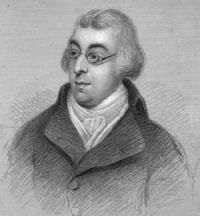
“ But the incidents in Ariosto are more lively, the characters more real, the language purer, the colouring more natural: even the sentiments show at least as much feeling, with less appearance of affectation. There is less effort, less display, a less imposing use made of the common ornaments of style and artifices of composition. Tasso was the more accomplished writer, Ariosto the greater genius. There is nothing in Tasso which is not to be found, in the same or a higher degree, in others: Ariosto’s merits were his own. The perusal of the one leaves a peculiar and very high relish behind it ”
Source: Gutenberg

Get perspective with Kwize: daily news enlightened by great literature