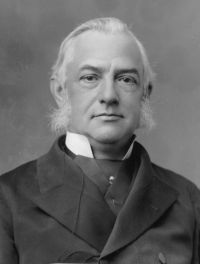
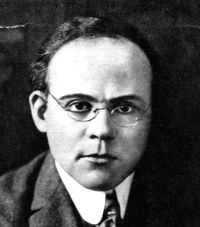
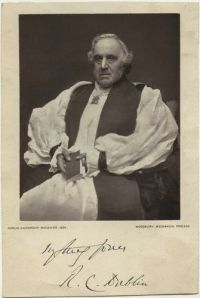
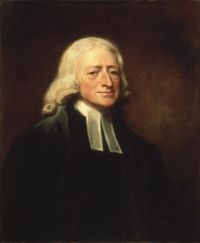
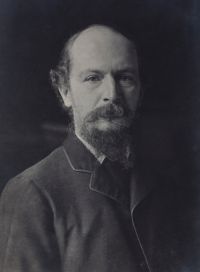
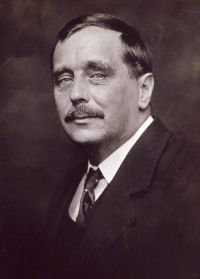
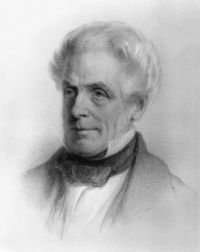
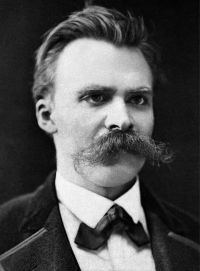
The concept of a conjuror encompasses both literal practitioners of illusion and metaphorical figures who manipulate perception, often blurring truth with deception. Authors like Thomas Paine critiqued conjurors as charlatans exploiting gullibility, while Joseph Conrad examined the art of human expression as a form of subtle, truthful "conjuring.
" Anthony Trollope emphasized the danger of conjurors whose illusions are mistaken for reality, and Edward Clodd associated the term with the interaction of illusion and understanding in human thought. These varied perspectives reveal the theme’s duality: a link between spectacle and deeper philosophical or psychological insights.
 Thomas Paine,
The Writings of Thomas Paine, Complete
Thomas Paine,
The Writings of Thomas Paine, Complete