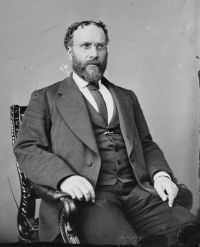
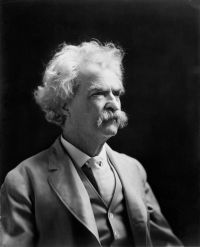
Plowing, the process of turning over soil to ready it for cultivation, has long been a central theme in agricultural discussions and literary metaphor. From practical works like John Andreas Widtsoe’s Dry-Farming, which focuses on the timing and depth of plowing to conserve water, to Carl Sandburg’s poetic depiction of a “plowboy” working in dusk-lit furrows, the theme highlights both technical accuracy and symbolic depth.
Ellen H. Richards metaphorically connects plowing to societal advancement, portraying it as a task of transformation, while J. H. Walden and Edward J. Wickson discuss the best methods for soil care. These differing viewpoints emphasize plowing’s dual function as a tangible farming practice and a symbol of preparation, endurance, and the interaction between human effort and natural forces.
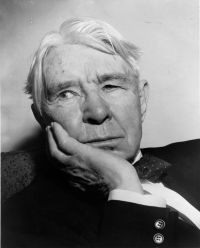 Carl Sandburg,
Chicago Poems — The Plowboy
(1916)
Carl Sandburg,
Chicago Poems — The Plowboy
(1916)