“ The pigs in the sty, hungry and half-fed (we wanted for ourselves the few pumpkins that had survived the drought) fought savagely with each other for shelter, and squealed all the time like—well, like pigs. The cows and calves left the place to seek shelter away in the mountains; while the draught horses, their hair standing up like barbed-wire, leaned sadly over the fence and gazed up at the green lucerne. Joe went about shivering in an old coat of Dad's with only one sleeve to it—a calf had fancied the other one day that Dad hung it on a post as a mark to go by while ploughing. ”
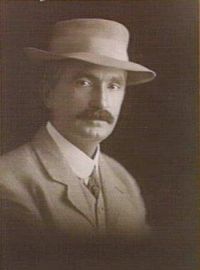
Steele Rudd
Summary
"On Our Selection" (1899), authored by Steele Rudd (the pen name of Arthur Hoey Davis), is a seminal Australian literary work chronicling the struggles and resilience of the Rudd family—particularly Dad and Dave—as they navigate life on a rural selection under the colonial land policies of the 1860s.
Set against the backdrop of Queensland's frontier, the stories blend humor and hardship, depicting the family's battles with poverty, squatters, and the unforgiving landscape, while highlighting themes of endurance, familial bonds, and the harsh realities of bush life. Illustrated by notable Australian artists, the collection gained widespread acclaim for its authentic portrayal of pioneer experiences, cementing its legacy as a cornerstone of Australian literature.
Quotes from On Our Selection (Steele Rudd)
“ And the following morning, headed by the dog and Dad, armed with a tomahawk, we started up the paddock. How free we felt! To think we were finished for ever with the raking and carting of hay—finished tramping up and down beside Dad, with the plough-reins in our hands, flies in our eyes and burr in our feet—finished being the target for Dad's blasphemy when the plough or the horses or the harness went wrong—was delightful! ”
“ It was when Dad and Dave were away after kangaroo-scalps that Joe was most appreciated. Mother and Sal felt it such a comfort to have a man in the house—even if it was only Joe. Joe was proud of his male prerogatives. He looked after the selection, minded the corn, kept Anderson's and Dwyer's and Brown's and old Mother Murphy's cows out of it, and chased goannas away from the front door the same as Dad used to do—for Joe felt that he was in Dad's place, and postponed his customary familiarities with the goannas. ”
