Mulch

Definition and stakes

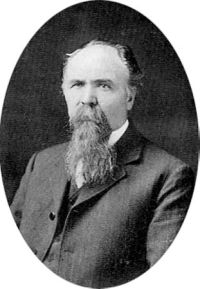
Portrait of L. H. Bailey L. H. Bailey,  Manual of Gardening (Second Edition…

“ The comparatively dry and loose mulch breaks up the capillary connection between the surface soil and the under soil, and while the mulch itself may be useless as a foraging ground for roots, it more than pays its keep by its preventing of the loss of moisture; and its own soluble plant-foods are washed down into the lower soil by the rains.
As often as the surface becomes compact, the mulch should be renewed or repaired by the use of the rake or cultivator or harrow. Persons are deceived by supposing that so long as the surface remains moist, the land is in the best possible condition
”
Source: Gutenberg

Portrait of L. H. Bailey L. H. Bailey,  The Practical Garden-Book

“ This surface layer of loose, mellow soil is often spoken of as the earth-mulch. It answers much the same purpose as a mulch of straw or leaves in interposing a material between the moist soil and the air through which the moisture cannot rise. If this mulch is repaired as often as it should be, weeds cannot grow; but the object of the Tilling is more to make and maintain the mulch than to destroy weeds. The surface should be Tilled shallow in the growing season as often as it tends to become compact or encrusted. ”
Source: Gutenberg

Steve Solomon,  Gardening Without Irrigation: or without much…

“ A mulch of dry hay, grass clippings, leaves, and the like will also retard rapid surface evaporation. Gardeners think mulching prevents moisture loss better than bare earth because under mulch the soil stays damp right to the surface. However, dig down 4 to 6 inches under a dust mulch and the earth is just as damp as under hay. And, soil moisture studies have proved that overall moisture loss using vegetation mulch slightly exceeds loss under a dust mulch. ”
Source: Gutenberg

Get perspective with Kwize: daily news enlightened by great literature