Summary

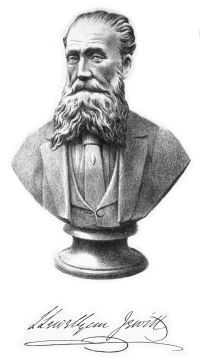
Portrait of Llewellynn Frederick William Jewitt Llewellynn Frederick William Jewitt The ceramic art of Great Britain from pre-historic times down to the present day… (1878)

Copeland is of the most exquisite beauty, and of rare excellence both in the matchless quality of the body, the peculiarly waxy and very lovely surface of the glaze, the pure taste which characterises its decoration, and admirable manipulation apparent in each piece. In this ware, as in others produced by the firm, it is a literal truism to say “perfection can no farther go!” Vases and other decorative articles are produced in this Satsuma ware, and take rank with the finest productions of any age or any country.
Source: Gutenberg

Portrait of Llewellynn Frederick William Jewitt Llewellynn Frederick William Jewitt The ceramic art of Great Britain from pre-historic times down to the present day… (1878)

The great and laudable aim of the present firm has been and is to produce the best, most artistic, and most pleasingly effective designs, and to adapt them to ordinary purposes, so that they may become the every-day surroundings of the artisan as well as of the educated man of taste. Thus they associate durability of quality in body and a perfect glaze with purity of outline in form, chasteness of decoration, and clearness and harmony of colour—adapting their designs and styles of decoration to the national tastes of the people in the various climes to which the goods are sent.
Source: Gutenberg

Portrait of Llewellynn Frederick William Jewitt Llewellynn Frederick William Jewitt The ceramic art of Great Britain from pre-historic times down to the present day… (1878)

In china, which in body and glaze is of the highest quality and of peculiar durability, an immense variety of services and articles are produced, and all are equally good in point of artistic decoration; the ground colours, whether rose du Barry or otherwise, of a remarkable purity and evenness, and the gilding, both dead and burnished, of unusual solidity. The same remarks apply with equal force to the dessert ware, some of the patterns of which are of surpassing loveliness and give evidence of the highest and most successful cultivation of decorative art.
Source: Gutenberg

Get perspective with Kwize: daily news enlightened by great literature