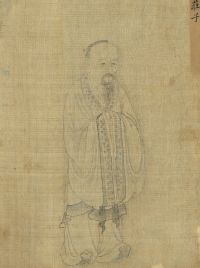
Confucius

Definition and stakes

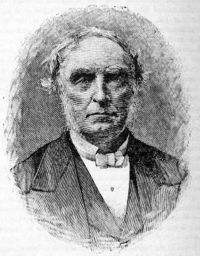
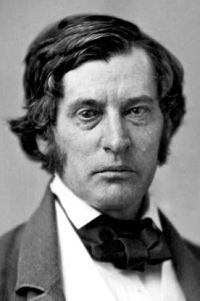
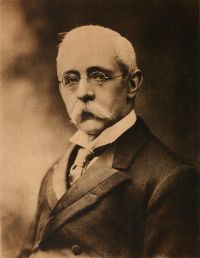
Portrait of Charles Sumner Charles Sumner,  Charles Sumner: his complete works…

“ Has any Senator read the system of Confucius, uttered before that of the Saviour, and yet containing truths marvellously in harmony with those which fell from his lips? Throughout this great, populous empire the truths of Confucius have been ever regarded as we regard our Scriptures. They are the lesson for the young and the old, and the rule for government and for rulers; they are full of teachings of virtue. And yet the Chinese are called Pagans! Imperialists they may be while they remain in China, for their ruler is an Emperor. ”
Source: Gutenberg

T. W. Pearce,  Twentieth Century Impressions of Hongkong… (1908)

“ To them the ages return an answer, final, decisive, irrevocable. Voices of emperor and statesman, of seer and sage, assign Confucius his place among objects of worship. Adoring multitudes through the centuries have joined in "one according cry." Divine honours are paid at his shrine, and the worship of the teacher who, as a moral guide, has the pre-eminence, gives to his system the binding force of religion. To-day the religious faith of most Chinese appears to themselves inseparable from the divine sanctions which, for them, attach to the teaching of Confucius. ”
Source: Wikisource

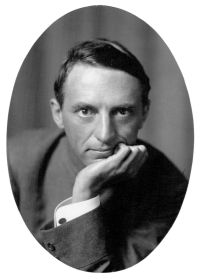
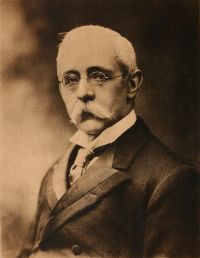
Portrait of Herbert Allen Giles Herbert Allen Giles,  A History of Chinese Literature

“ Many are the princes and prophets that the world has seen in its time, glorious in life, forgotten in death. But Confucius, though only a humble member of the cotton-clothed masses, remains among us after many generations. He is the model for such as would be wise. By all, from the Son of Heaven down to the meanest student, the supremacy of his principles is fully and freely admitted. He may indeed be pronounced the divinest of men. ”
Source: Gutenberg

Get perspective with Kwize: daily news enlightened by great literature