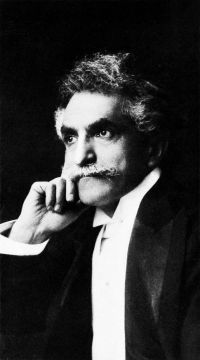
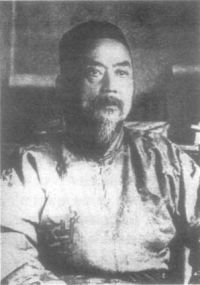
Confucianism, a Chinese ethical and philosophical system founded by Confucius, focuses on virtues such as ren (benevolence), yi (righteousness), and li (propriety), stressing social harmony, familial duty, and moral development. Authors like Hendrik Willem Van Loon emphasized its widespread impact on daily life, from commoners to rulers, while Sir Reginald Fleming Johnston highlighted its deep embedding in Chinese society, comparing it to the roots of a resilient tree.
Gu Hongming linked Confucian ancestor worship to a sense of continuous existence, and J. F. Blacker described it as a faith rooted in gratitude through the veneration of ancestors. Despite contemporary challenges, Confucianism’s lasting influence in East Asia—shaping governance, values, and cultural identity—demonstrates its flexibility and enduring appeal across centuries.
 Hendrik Willem Van Loon,
The Story of Mankind
Hendrik Willem Van Loon,
The Story of Mankind