Ancestor worship

Definition and stakes

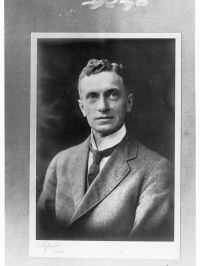
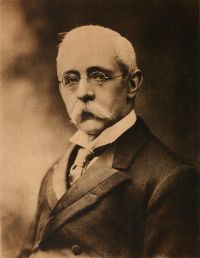
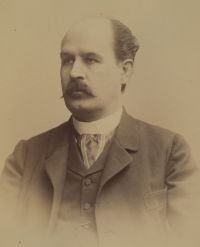
Portrait of Edward Clodd Edward Clodd,  Myths and Dreams

“ From its strong personal character, ancestor-worship was, without doubt, one of the earliest expressions of man’s attitude before the world which his fancy filled with spirits. It flourishes among barbarous races to-day; it was the prominent feature of the old Aryan religion; it has entered into Christian practice in the worship of saints, and perhaps the only feature of religion which the modern Frenchman has retained is the culte des morts. ”
Source: Gutenberg

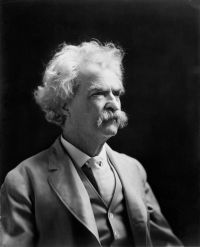
Charles A. Ellwood,  Sociology and Modern Social Problems

“ Ancestor worship, being the worship of the departed ancestors as heroes, seems to develop more readily where the line of ancestors are males. It may be suggested that the male ancestor is apt to be a more heroic figure than the female ancestor. At any rate, when ancestor worship became fully developed it powerfully tended to reenforce the authority of the patriarch, because he was, as the eldest living ancestor, the representative of the gods upon earth, therefore his power became almost divine. Religion thus finally came in to place the patriarchal family upon a very firm basis. ”
Source: Gutenberg

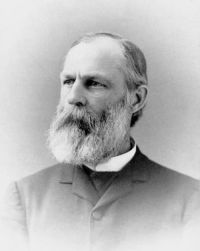
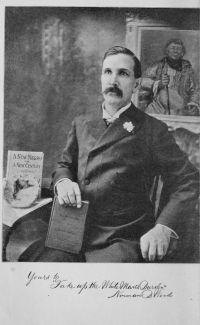
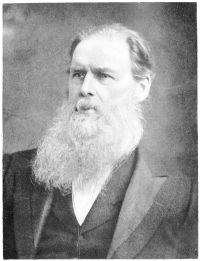
Portrait of Edward B. Tylor Edward B. Tylor,  Primitive culture, vol. 2 (of 2… (1871)

“ Although full ancestor-worship is not practised in modern Christendom, there remains even now within its limits a well-marked worship of the dead. A crowd of saints, who were once men and women, now form an order of inferior deities, active in the affairs of men and receiving from them reverence and prayer, thus coming strictly under the definition of manes. This Christian cultus of the dead, belonging in principle to the older manes-worship, was adapted to answer another purpose in the course of religious transition in Europe. ”
Source: Gutenberg

Get perspective with Kwize: daily news enlightened by great literature