Sanskrit

Definition and stakes

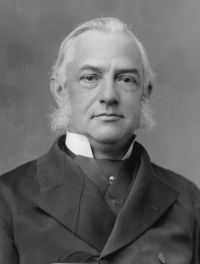
Portrait of F. Max Müller F. Max Müller,  Chips from a German Workshop, Volume 5

“ Though the various dialects now spoken in Europe have been separated many thousands of years from the Sanskrit, the ancient classical language of India, yet so close is the bond that holds the West and East together, that in many cases an intelligent Englishman might still guess the meaning of a Sanskrit word. How little difference is there between Sanskrit sûnu and English son, between Sanskrit duhitar and English daughter, between Sanskrit vid, to know, and English to wit, between Sanskrit vaksh, to grow, and English to wax! ”
Source: Gutenberg

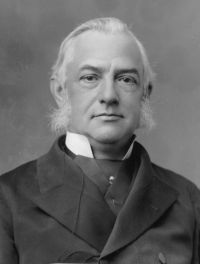
Portrait of F. Max Müller F. Max Müller,  Chips from a German Workshop, Volume 1

“ Sanskrit, as compared to Greek and Latin, is an elder sister, not a parent: Sanskrit is the earliest deposit of Aryan speech, as the Veda is the earliest deposit of Aryan faith. But the religion and incipient mythology of the Veda possess the same simplicity and transparency which distinguish the grammar of Sanskrit from Greek, Latin, or German grammar. We can watch in the Veda ideas and their names growing, which in Persia, Greece, and Rome we meet with only as full-grown or as fast decaying. ”
Source: Gutenberg

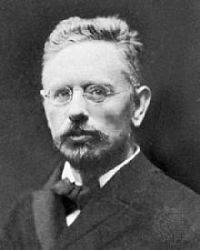
Henry Bartle Edward Frere,  Convocation Addresses of the Universities of Bombay and Madras (1892)

“ No one, I hope, would ever dream of comparing it as a language in completeness, in copiousness, or in all that constitutes the perfection of language, with Sanskrit; but while there is a large majority of Indian youths to whom the study of Sanskrit is natural as the classical language of their country and mother tongue, there are many for whom it has no special fitness, compared with a language like Latin, which has for centuries been the classic language of all the great nations of Europe. ”
Source: Wikisource

Get perspective with Kwize: daily news enlightened by great literature