Pāṇini

Definition and stakes

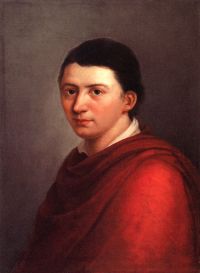
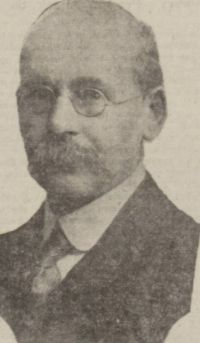
Portrait of F. Max Müller F. Max Müller,  Chips from a German Workshop, Volume 4

“ There are but few among our very best comparative philologists who are able to understand Pâṇini. Professor Benfey, whose powers of work are truly astounding, stands almost alone in his minute knowledge of that greatest of all grammarians. Neither Bopp, nor Pott, nor Curtius, nor Corssen, ever attempted to master Pâṇini’s wonderful system. But a study of Sanskrit, as taught by European grammarians, cannot be recommended too strongly to all students of language. A good sailor may, for a time, steer without a compass, but even he feels safer when he knows that he may consult it, if necessary ”
Source: Gutenberg

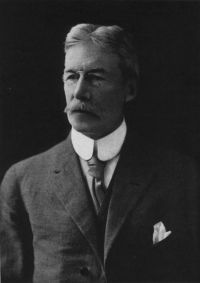
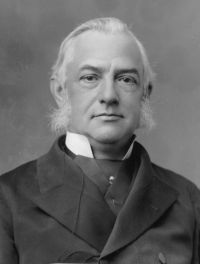
Portrait of Arthur Anthony Macdonell Arthur Anthony Macdonell,  A History of Sanskrit Literature (1900)

“ It is, therefore, not at all likely that the Rāmāyaṇa, which aimed at popularity, should have been composed as late as the time of Pāṇini, when it could not have been generally understood. If the language of the epic is later than Pāṇini, it is difficult to see how it escaped the dominating influence of his grammar. It is more likely that the popular Sanskrit of the epics received general currency at a much earlier date by the composition of a poem like that of Vālmīki. ”
Source: Wikisource

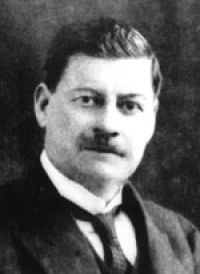
Hans Julius Eggeling,  1911 Encyclopædia Britannica (1911)

“ Perhaps the most important of his predecessors was Śākaṭāyana, [184] also mentioned by Yāska—the author of the Nirukta, who is likewise supposed to have preceded Pāṇini—as the only grammarian (vaiyākaraṇa) who held with the etymologists (nairukta) that all nouns are derived from verbal roots. Unfortunately there is little hope of the recovery of his grammar, which would probably have enabled us to determine somewhat more exactly to what extent Pāṇini was indebted to the labours of his predecessors. ”
Source: Wikisource

Get perspective with Kwize: daily news enlightened by great literature