Aryan

Definition and stakes

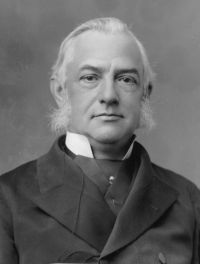
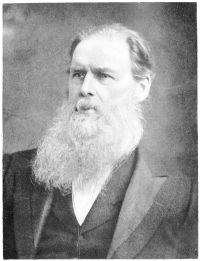
Gustave Le Bon and W. W. Hunter,  The Great Events by Famous Historians… (1905)

“ The Aryan settler lived on excellent terms with his bright gods. He asked for protection, with an assured conviction that it would be granted. At the same time, he was deeply stirred by the glory and mystery of the earth and the heavens. Indeed, the majesty of nature so filled his mind, that when he praises any one of his Shining Gods, he can think of none other for the time being, and adores him as the supreme ruler. Verses may be quoted declaring each of the greater deities to be the One Supreme: "Neither gods nor men reach unto thee, O Indra!" ”
Source: Wikisource

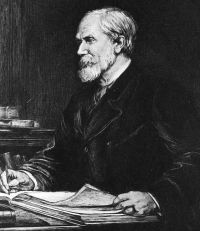
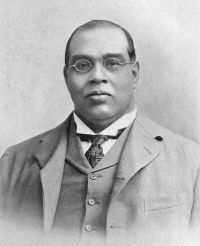
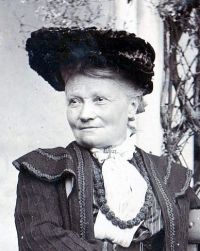
Portrait of Flora Annie Webster Steel Flora Annie Webster Steel,  India Through the Ages: A Popular and Picturesque History of Hindustan

“ So the ancient Aryan rises to the mind's eye as a big, stalwart, high-nosed, fair-skinned man, with a smile and a liking for exhilarating liquor, who, after long wanderings with his herds over the plains of Central Asia--where, reading the stars at night, he sang as he watched his flocks to Pushan the Path-finder--looked down one day from the heights of the Himalayas over a fair expanse of new-born land by the ripples of a receding sea, and found that it was good. ”
Source: Gutenberg

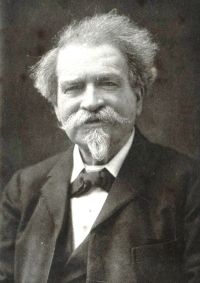
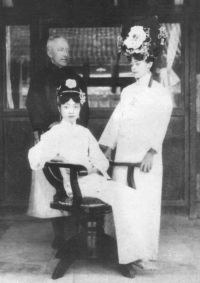
Portrait of Lady Gregory Lady Gregory,  Gods and Fighting Men

“ They bear the stamp of the genius of more than one race. The pure and placid but often cold imagination of the Aryan has been at work on some. In others we trace the more picturesque fancy, the fierceness and sensuality, the greater sense of artistic elegance belonging to races whom the Aryan, in spite of his occasional faults of hardness and coarseness, has, on the whole, left behind him. ”
Source: Gutenberg

Get perspective with Kwize: daily news enlightened by great literature