Turkistan

Definition and stakes

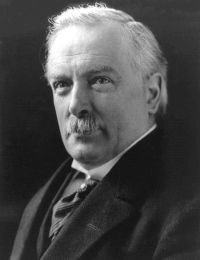
Portrait of Edward Hoare Edward Hoare,  Rome, Turkey and Jerusalem

“ It is the one great empire existing in the world that originated on the banks of the river Euphrates. It was in the district to the east of that river that the Turk, who originally came from Turkistan, became a formidable power, and from thence that the Turkish hosts were let loose against Roman Christendom. For we must remember that the Turks, or Ottomans, do not belong to the soil of Turkey. The French are the natives of France, and the Italians of Italy, but the Turks are not the natives of Turkey, but invaders from Asia. They hold the country by conquest. ”
Source: Gutenberg

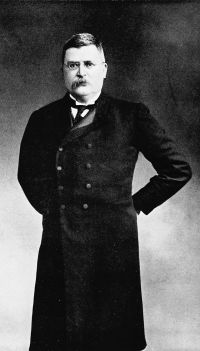
Julius R. Van Millingen,  Peeps at Many Lands: Turkey

“ Turkey holds sway over some of earth's fairest lands, the homes of its most ancient civilizations and lands familiar to us through Holy Writ and profane history, and the sources of Jewish, Christian, Moslem, and other beliefs.
The rulers of Turkey are the Turks, originally a nomadic tribe from Central Asia. Compelled to abandon their homes on account of the desiccation or drying up of large tracts of their country, which were converted into a desert, they swarmed into Armenia and Persia in quest of new pasture-lands for their flocks and cattle.
”
Source: Gutenberg

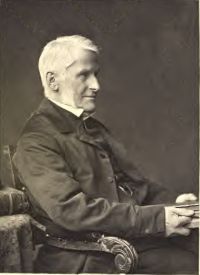
Henry M. Field,  From the Lakes of Killarney to the Golden Horn

“ The position of Turkey is certainly an anomaly. It is an Asiatic power planted in Europe. It is a Mohammedan power ruling over millions of Christians. It is a government of Turks—that is of Tartars—over men of a better race as well as a purer religion. It is a government of a minority over a majority. The Mohammedans, the ruling caste, are only about one-quarter of the population of European Turkey—some estimates make it much less, but where there is no accurate census, it must be a matter of conjecture. ”
Source: Gutenberg

Get perspective with Kwize: daily news enlightened by great literature