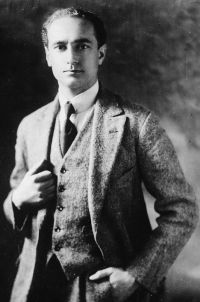
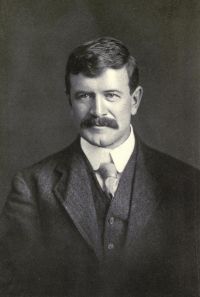
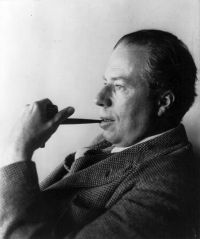
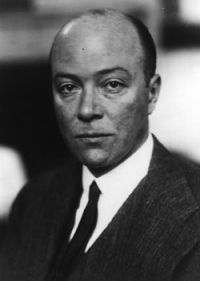
The term "Bolshevik" primarily refers to Boris Kustodiev’s 1920 painting, an allegorical portrayal of the revolutionary figure marching triumphantly through Moscow, symbolizing the October Revolution’s transformative impact. This naive-symbolist piece reflects Kustodiev’s transition from depicting pre-revolutionary elites to adopting socialist ideals, contrasting with writers such as John Reed, who hailed Bolsheviks as liberators, or Bertrand Russell, who questioned their authoritarian inclinations.
Alexander Berkman denounced Bolshevik governance as a new form of despotism, while others, like Paul Dukes, highlighted the conflict between ideological strictness and Russian spiritual energy. The artwork and these varied viewpoints together emphasize the Bolshevik movement’s complex legacy—marked by radical hope and unexpected difficulties.