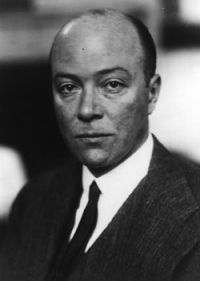
William C. Bullitt

William C. Bullitt

Summary

Portrait of William C. Bullitt William C. Bullitt The Bullitt Mission to Russia

Lenin eats, like everybody else—only one meal a day—soup, fish, bread, and tea. He has to save out of that a bit for breakfast and another bit for supper. The people, the peasants, send him more, but he puts it in the common mess. So the heads of this government do not have to imagine the privations of the people; they feel them. And so the people and the government realize that, if ever Russia becomes prosperous, all will share in the wealth, exactly as they share in the poverty now. In a word, rich Russia expects to become a rich Russian people.
Source: Gutenberg

Portrait of William C. Bullitt William C. Bullitt The Bullitt Mission to Russia

It is my conviction that the present league of nations will be powerless-to prevent these wars, and that the United States will be involved in them by the obligations undertaken in the covenant of the league and in the special understanding with France. Therefore the duty of the Government of the United States to its own people and to mankind is to refuse to sign or ratify this unjust treaty, to refuse to guarantee its settlements by entering the league of nations, to refuse to entangle the United States further by the understanding with France.
Source: Gutenberg

Portrait of William C. Bullitt William C. Bullitt The Bullitt Mission to Russia

New men in politics are commonly fresh, progressive, representative; it's the later statesmen that damp the enthusiasm and sober the idealism of legislators. In Russia all legislators, all, are young or new. It is as if we should elect in the United States a brand-new set of men to all offices, from the lowest county to the highest Federal position, and as if the election should occur in a great crisis, when all men are full of hope and faith. The new leaders of the local Soviets of Russia were, and they still are, of the people, really.
Source: Gutenberg

Get perspective with Kwize: daily news enlightened by great literature