Alexander Kerensky (1881–1970) was a Russian lawyer and revolutionary who briefly headed the Provisional Government in the chaotic wake of the February Revolution in 1917. As a leading member of the Socialist Revolutionary Party, he sought to balance radical ideals with the demands of practical leadership, though his decision to keep Russia engaged in World War I and his suppression of opposition weakened his public standing.
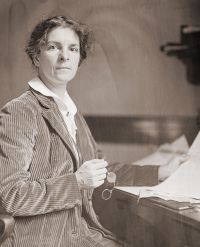
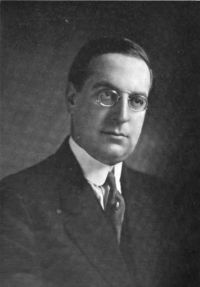
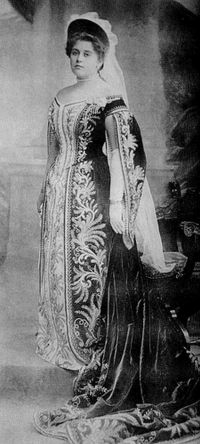
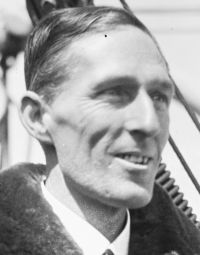
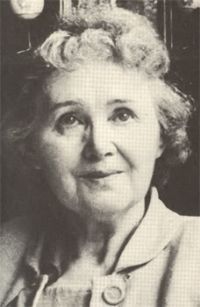
Writers such as Princess Catherine Radziwill praised his eloquence and ability to inspire crowds, while Alexander Berkman contrasted his early appeal with the eventual downfall of his administration, which suffered from a lack of connection with the people. Rheta Childe Dorr provided vivid personal insights, portraying Kerensky as both an idealistic leader and a man whose self-regard obstructed effective rule. These differing viewpoints together highlight Kerensky’s status as a fleeting yet crucial figure, representative of the conflict between revolutionary hopes and the difficult realities of political authority in 1917 Russia.