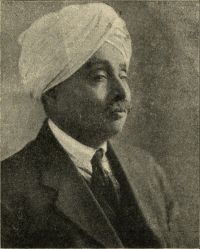
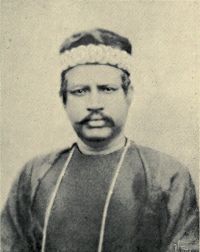
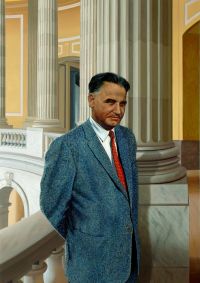
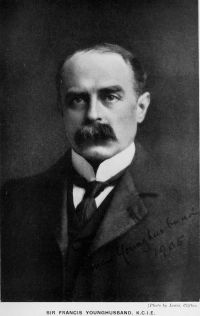
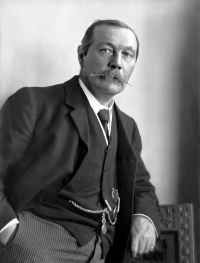
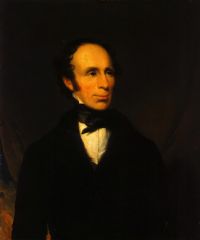
The British Raj, the colonial administration of the British Crown over the Indian subcontinent from 1858 to 1947, included direct governance and princely states operating under British influence. Writers such as Lala Lajpat Rai condemned its exploitative history, underscoring India’s past ability to govern itself, while Sir Valentine Chirol recognized its deep-rooted authority but pointed out the conflicts between colonial strategies and local ambitions.
John P. Jones, by contrast, viewed British rule as a divinely sanctioned endeavor to revitalize India. These viewpoints together illustrate the Raj’s complex nature: a catalyst for progress and a source of repression, resulting in a legacy of contested change.
 John P. Jones,
India, Its Life and Thought
John P. Jones,
India, Its Life and Thought